Thanesar, a historic city in the Kurukshetra district of Haryana, India, is renowned for its deep-rooted connection to Hindu mythology, spirituality, and history. Considered the heart of Kurukshetra, the legendary battlefield of the Mahabharata, Thanesar attracts pilgrims, scholars, and history enthusiasts alike.
Kurukshetra lies on the main Delhi Ambala Railway line about 160 kilometres North of Delhi, 34 km North of Karnal and 40 km South of Ambala. Kurukshetra is a place known all over India for its great cultural heritage. Markanda and Saraswati are the important rivers of the district. According to Manu, the tract between the old sacred rivers Saraswati and Drishadvati in Kurukshetra was known as Brahmavarta. Kurukshetra along with Karnal and Kaithal districts is known as the ‘Rice Bowl of India’ and famous for Basmati Rice. The soil is generally alluvial, loam and clay do not constitute the average texture of the soil.
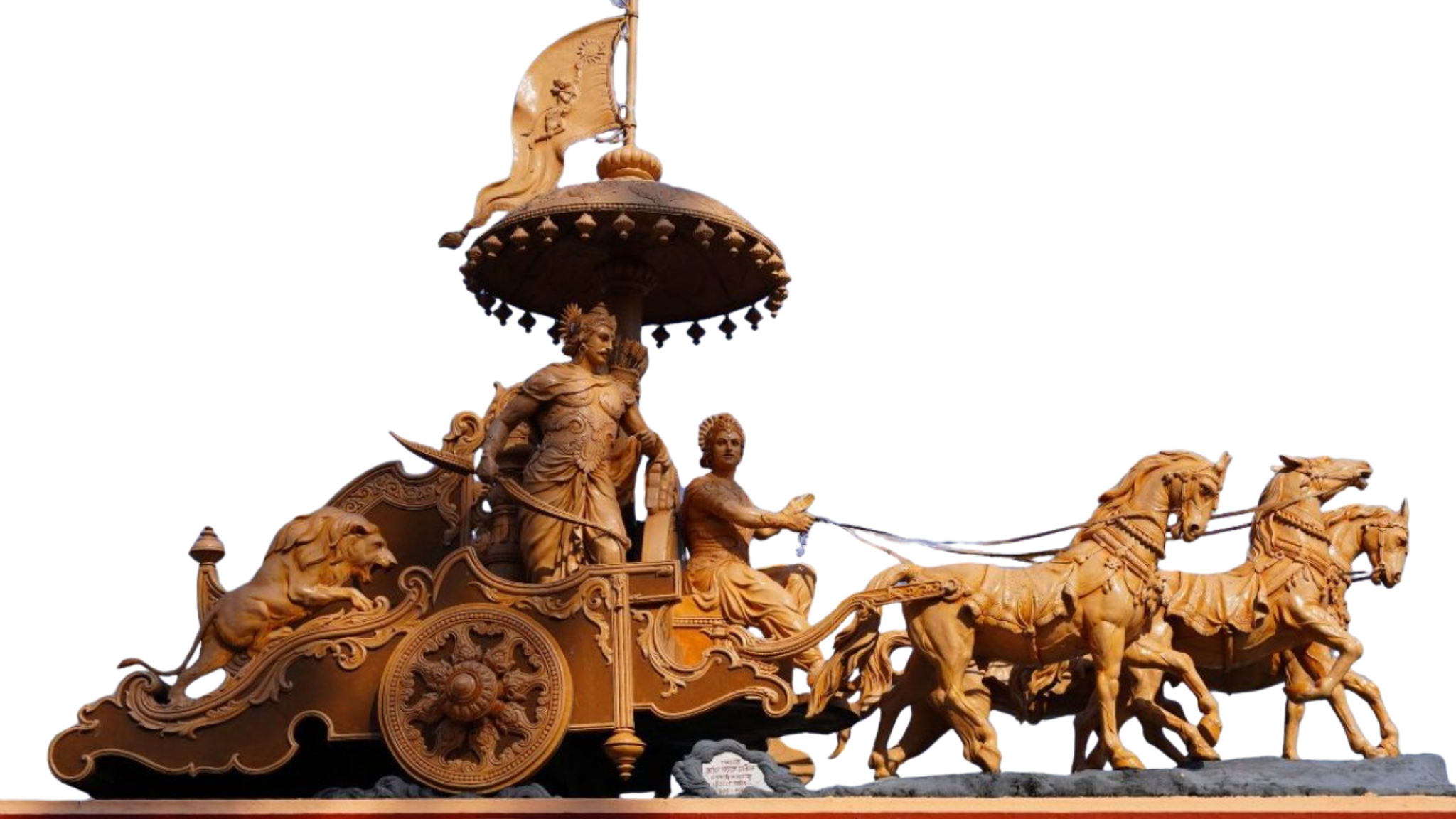
Kurukshetra has been described in the first verse of Shrimadbhagvadgita, in the form of Dharmakshetra Kurukshetra. Kurukshetra is a place of great historical and religious significance which is seen with reverence in all the countries due to its association with Vedas and Vedic culture. This is the land on which the battle of Mahabharata was fought and Lord Krishna gave Arjuna a fair knowledge of the philosophy of karma in the Jyotisar. According to the Hindu mythology, Kurukshetra is a vast area spread over 48 kos, which includes many pilgrimage places, temples and sacred ponds, with which many events/rituals associated with the Pandavas and the Kauravas and Mahabharata war have been related. Kurukshetra is closely related to its development with the rise of Aryan civilization and the sacred Saraswati. This is the land where Manusmriti was written by Rishi Manu and the compilation of Rigveda, Samaveda by the wise Rishis. The name of Kurukshetra was named after King Kuru. By which great sacrifices were made for the prosperity of this land and its people.
Thanesar was once the capital of the Pushyabhuti dynasty, ruled by Emperor Harsha (7th century CE). It has seen many historical battles and has been a witness to India’s rich past. The city's ancient ruins, forts, and museums provide insight into its glorious history.
Today, Thanesar is a blend of spirituality, education, and culture. It houses Kurukshetra University, one of India’s leading educational institutions, attracting students from all over the country. The city's economy thrives on tourism, education, and local businesses.
Whether you seek divine blessings, historical exploration, or a peaceful retreat, Thanesar offers a unique experience. From grand religious celebrations to the serene ambiance of its temples and lakes, this city remains a beacon of faith, knowledge, and tradition.
Spiritual Significance
Thanesar is home to numerous ancient temples and sacred sites, making it a significant religious destination. Some of the must-visit places include:
Brahma Sarovar – A holy water reservoir where devotees take a dip for spiritual cleansing.
Sannihit Sarovar – Believed to be the meeting point of all sacred rivers, visited by devotees during solar eclipses and other special occasions.
Bhadrakali Temple – One of the 51 Shakti Peethas, dedicated to Goddess Kali.
Shri Krishna Museum – Showcasing the life and teachings of Lord Krishna through artifacts and exhibits.